The Donor Map in 2026: Who Actually Funds What
The practical answer for NGOs in 2026
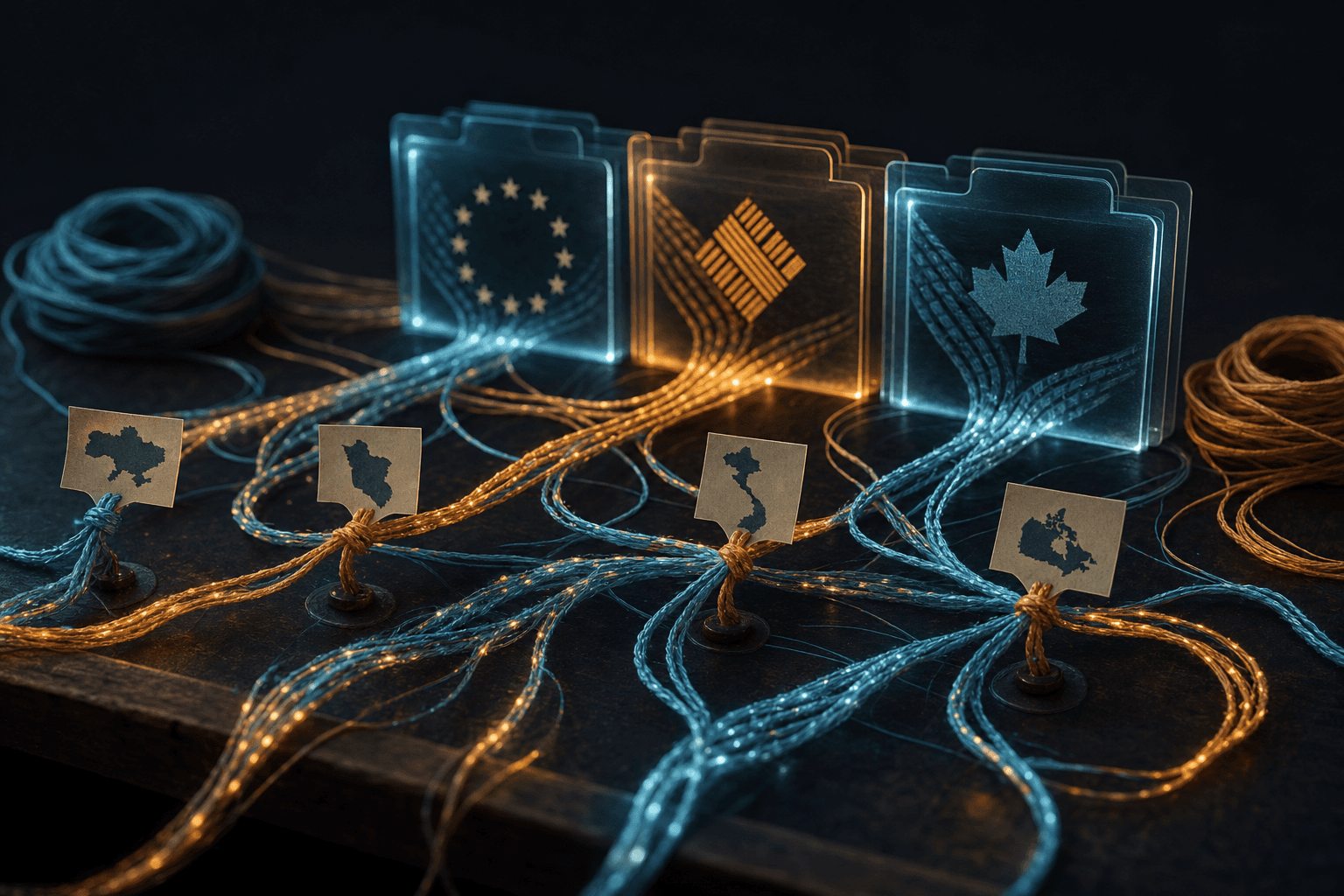
For education and social projects in Ukraine, Moldova, and Romania, the realistic stack is EU programmes, Sida, and selected Global Affairs Canada calls. EU programmes are the base for structured cooperation, mobility, civic participation, research, and regional work. Bilateral donors can add country focus, civil society depth, or development finance, but they do not replace a well-matched EU call.
This is the sober answer to searches such as “Sida grants 2026”, “USAID alternatives for NGOs”, and “which donors fund NGOs in 2026”. Start with official EU programme pages, then check bilateral donor call pages directly. Do not rely on star ratings, scraped donor lists, or old screenshots from proposal trainings.
The donor names also need different treatment. USAID is no longer a safe standalone planning label for NGOs, so follow current US government notices and State Department foreign-assistance signals before assuming a USAID-branded route exists. UK Aid sits inside FCDO, so treat it as a foreign-policy department channel. Sida remains one of the first bilateral sources to check for civil society and social work. Global Affairs Canada is best approached through specific partnership calls, not as a general open pot.
EU programmes are the base layer
EU programmes fund cooperation architecture. They are built for consortia, work packages, eligibility rules, reporting, and public-benefit outputs. If your project needs partners in several countries, policy alignment, education activity, research, civic participation, or regional cooperation, begin with the European Commission’s Funding and Tenders Portal, not a donor blog.
Use Erasmus+ for education, youth, training, and mobility logic. Use the Commission portal for CERV when the core is rights, values, citizenship, democratic participation, or civil society. Use Horizon Europe when the project has a research or innovation spine. Use Interreg through the Commission’s European territorial cooperation pages when the geography and regional policy fit are central.
Our consortium graph covers data years 2014-2027 and indexes 715 grant lines, including 407 open lines. It also tracks 83,490 projects across Erasmus+, Horizon 2020, and Horizon Europe, plus 461,953 participation edges. That scale matters because partner fit is often clearer in past project behaviour than in public mission statements.
What bilateral donors are really for
Bilateral donors fund through national policy priorities. They are not interchangeable with EU programmes. A bilateral call may ask for strong local presence, a named country priority, a development objective, a governance theme, or a direct partnership model. That can suit NGOs better than a large EU consortium, but only when the call matches the organisation’s track record.
For Sida, look for country focus, civil society language, human rights, social inclusion, governance, resilience, and long-term partner logic. Sida is often worth checking early when a project has community delivery, accountability, and public-interest outcomes. Still, the call text decides. A Swedish priority from an old briefing does not prove that a current application is eligible.
For Global Affairs Canada, start from the partnership instrument. GAC calls often reward coalitions that can show delivery capacity, safeguards, and a credible route to outcomes. For UK Aid, read the FCDO framing first. The department’s policy priorities shape what gets funded, who can lead, and what evidence is expected. For US funding, do not build the plan around the acronym. Follow the current official notice, confirm the managing authority, and check whether the mechanism is still open to your type of organisation.
How to build the Ukraine, Moldova, Romania stack
For education and social projects in Ukraine, Moldova, and Romania, build from the EU outward. First, identify the programme logic. Erasmus+ fits learning, youth, training, cooperation partnerships, and education institutions. CERV fits civic participation, rights, democratic practice, remembrance, equality, and civil society capacity. Horizon Europe fits research-based social innovation, data, policy testing, or applied methods. Interreg fits regional cooperation where the geography and programme area match.
Second, check the legal role of each country and partner. Romania is an EU member state, while Ukraine and Moldova require call-by-call reading. Eligibility can differ by programme, action type, partner role, and funding line. Never assume that a partner can coordinate because a nearby call funded a similar topic.
Third, add bilateral donors only where they strengthen the plan. Sida can be a fit for civil society, resilience, inclusion, and community systems. Selected Global Affairs Canada calls can fit partnership-based development or social outcomes when the call names the right geography and theme. This is not a shopping list. It is a disciplined stack: EU programme first, bilateral call second, partner evidence throughout.
A working filter for coordinators
Use a simple filter before your team spends days on a donor. Write one sentence for the policy fit, one for the eligible geography, one for the lead applicant, one for the delivery partners, and one for the proof that your consortium can do the work. If any sentence is vague, pause before writing the concept note.
Then test the source trail. The call page should be official. The eligibility text should be current. The budget rules should come from the funder, not from a consultant slide. The partner evidence should come from previous projects, audited work, public outputs, or a credible operating record. For EU calls, cross-check previous beneficiaries in CORDIS where research projects are involved, and use official programme pages for the action rules.
A practical next step is to make a short donor file for each idea: EU programme route, Sida route if relevant, GAC route if relevant, and a clear “no” for donors that only look attractive in generic lists. If you need a tighter evidence base, StrandsUnited can help map calls, partners, and prior consortia through our platform and knowledge-system work.
Where this comes from
This article comes from operating cooperation platforms and from maintaining our grant intelligence engine with a consortium graph built from CORDIS and Erasmus+ open data. In that graph we see 114,731 organisations, 25,915 organisations that have ever coordinated, and 1,717 organisations with regular participation of five or more projects. We also operate Impactful, a community impact platform, and build knowledge bases, member areas, and AI assistants that answer with sources for EU-facing teams. Use this piece as a working method: start with the official call, test partner evidence, then choose the smallest donor stack that can actually fund the work.
Planning the digital side of a project?
We join consortia as the technical partner: platform work packages, knowledge systems, dissemination infrastructure that outlives the funding.